 1
1
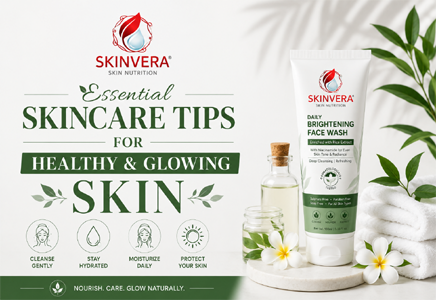
Essential Skincare Tips for Healthy & Glowing Skin
Our well-intentioned attempts
01 January 1970

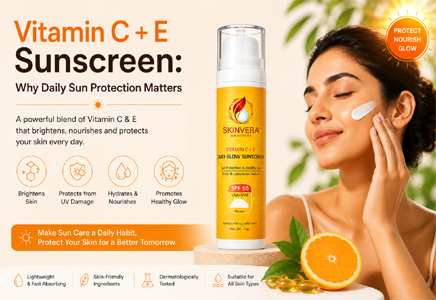
Healthy, glowing skin starts with one of the simplest skincare habits: daily sun protection. Whether you are stepping outside for work, travelling, shopping, exercising, or simply spending time near a window, your skin can be exposed to ultraviolet (UV) radiation.
A good sunscreen helps protect the skin from UV exposure, while antioxidant ingredients such as Vitamin C and Vitamin E can complement a sun-protection routine by helping address oxidative stress associated with UV exposure. Research has found that topical Vitamins C and E can work together as antioxidants and may provide additional photoprotective benefits when used alongside sunscreen.
Sunlight contains ultraviolet radiation, primarily UVA and UVB, which can affect the skin in different ways. UVA is strongly associated with photoaging, while UVB is a major cause of sunburn. Repeated, unprotected UV exposure can contribute to premature skin aging, pigmentation, sunburn, and skin cancer.
The American Academy of Dermatology recommends choosing a sunscreen that provides broad-spectrum protection, SPF 30 or higher, and water resistance.
That is why sunscreen should not be treated as an occasional summer product. It should be part of your everyday skincare routine.
Vitamin C is a well-known antioxidant used in many skincare products. It helps counter oxidative stress and has been studied for its potential role in photoprotection, pigmentation, and signs of skin aging.
When applied topically in an appropriate formulation, Vitamin C may help:
Support antioxidant protection
Promote a brighter-looking complexion
Support collagen production
Improve the appearance of uneven pigmentation
Complement your daily sun-protection routine
However, Vitamin C should not be considered a replacement for sunscreen. Sunscreen remains the primary product for protecting exposed skin from UV radiation.
Vitamin E is another important antioxidant commonly used in skincare. It helps protect against oxidative damage and has been investigated for its potential photoprotective effects.
Research suggests that Vitamin E may work particularly well alongside Vitamin C. The two antioxidants can complement each other, making their combination an attractive addition to topical skincare formulations.
This combination can be especially useful in a daily skincare routine focused on maintaining healthy-looking skin and protecting it from environmental stress.
Sunscreen and antioxidants perform complementary roles.
Sunscreen: Helps reduce the amount of UV radiation reaching the skin.
Vitamin C + E: Provide antioxidant support against oxidative stress associated with environmental exposure.
Studies investigating topical Vitamin C and Vitamin E have found that their combination can provide greater photoprotective effects than either antioxidant alone in certain formulations.
This does not mean that adding Vitamin C and E turns a sunscreen into a stronger SPF than its tested label indicates. Instead, antioxidants can be viewed as supportive ingredients within a broader skincare and sun-protection strategy.
UVB radiation is a major contributor to sunburn. Using an appropriate sunscreen and applying it correctly can help reduce UV exposure and the likelihood of sunburn.
Repeated UV exposure contributes to visible signs of photoaging, including wrinkles, fine lines, uneven pigmentation, and loss of skin firmness. Regular sunscreen use can help reduce these effects.
Sun exposure can contribute to the development and worsening of dark spots and uneven pigmentation. Consistent sun protection is therefore an important part of a skincare routine designed to maintain a more even-looking complexion.
Sun protection is not only about appearance. Regular use of appropriate sunscreen is an important part of reducing UV-related skin damage and skin cancer risk.
A simple morning routine can make daily sun protection easier.
Start with a gentle cleanser to remove sweat, excess oil, and impurities.
If you use a face serum, apply it according to the product directions.
Use a moisturizer suited to your skin type if needed.
Apply your Vitamin C + E sunscreen as the final step of your morning skincare routine, before makeup if you wear it.
Choose a sunscreen with broad-spectrum protection and SPF 30 or higher.
Many people apply sunscreen only to their face. However, exposed areas such as the:
Neck
Ears
Forehead
Hairline
Hands
Arms
Other uncovered areas
can also receive UV exposure.
Remember that sunscreen works best when applied generously and reapplied as needed. When spending extended time outdoors, the AAD recommends reapplying approximately every two hours and after swimming or heavy sweating.
Cloudy weather does not mean your skin is completely protected from UV radiation. UV rays can still reach the skin through clouds.
For this reason, making sunscreen a daily habit is more practical than using it only on bright, sunny days.
A complete sun-protection strategy includes more than applying sunscreen.
When possible:
Seek shade during periods of strong sunlight.
Wear protective clothing.
Use a wide-brimmed hat.
Wear UV-protective sunglasses.
Avoid intentional tanning.
Reapply sunscreen after swimming or heavy sweating.
These measures work together to reduce unnecessary UV exposure.
SkinVera Vitamin C + E Sunscreen is designed to fit easily into a daily skincare routine by combining sun protection with the skincare benefits associated with antioxidant ingredients.
Vitamin C and Vitamin E are widely studied antioxidants, and research suggests that their combination can complement topical photoprotection.
For people who want to keep their morning routine simple, a Vitamin C + E sunscreen can be a convenient way to make sun protection an everyday habit.
Always follow the product label for application instructions and use the sunscreen consistently.
Using insufficient sunscreen can reduce the protection you actually receive.
Sunscreen can wear off with time, sweating, swimming, or rubbing. Reapplication is especially important during extended outdoor activities.
UV exposure isn't limited to hot summer days. Daily protection is a year-round skincare habit.
Your face isn't the only area exposed to the sun. Include other exposed areas in your routine.
Sunscreen is important, but shade, clothing, hats, and sunglasses can provide additional protection.
A healthy skincare routine doesn't have to be complicated. The basics remain simple: cleanse, hydrate, protect, and stay consistent.
Daily sunscreen is one of the most important habits you can develop for maintaining healthy-looking skin. A broad-spectrum sunscreen with SPF 30 or higher helps protect against UVA and UVB radiation, while antioxidant ingredients such as Vitamin C and Vitamin E can provide complementary antioxidant support.
With Skinvera Vitamin C + E Sunscreen, make daily sun protection a simple and consistent part of your skincare routine—and give your skin the protection it deserves every day.
Glowing skin is not only about what you apply after sun exposure; it is also about how well you protect your skin before and during exposure.
Daily sunscreen + consistent skincare + healthy habits = a stronger foundation for healthy-looking skin.
Make sunscreen the final step of your morning skincare routine, use it consistently, and remember that protecting your skin today can help support its appearance and health for years to come.
1